Pick a side.
Back a captain, get to know the squad and see how far they go. Short games keep things moving, while the team selections and touchline reactions give fans plenty to talk about.

08Concept series
September 2026
Eight teams.
Proposed Masters Football eventIndoor
five-a-side
One
night.
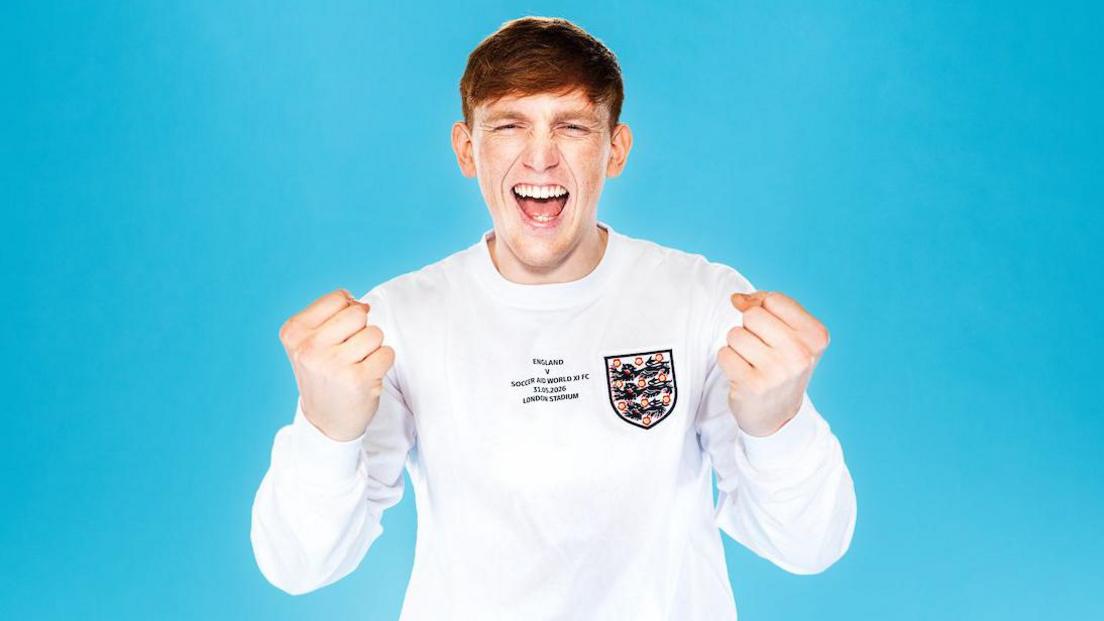
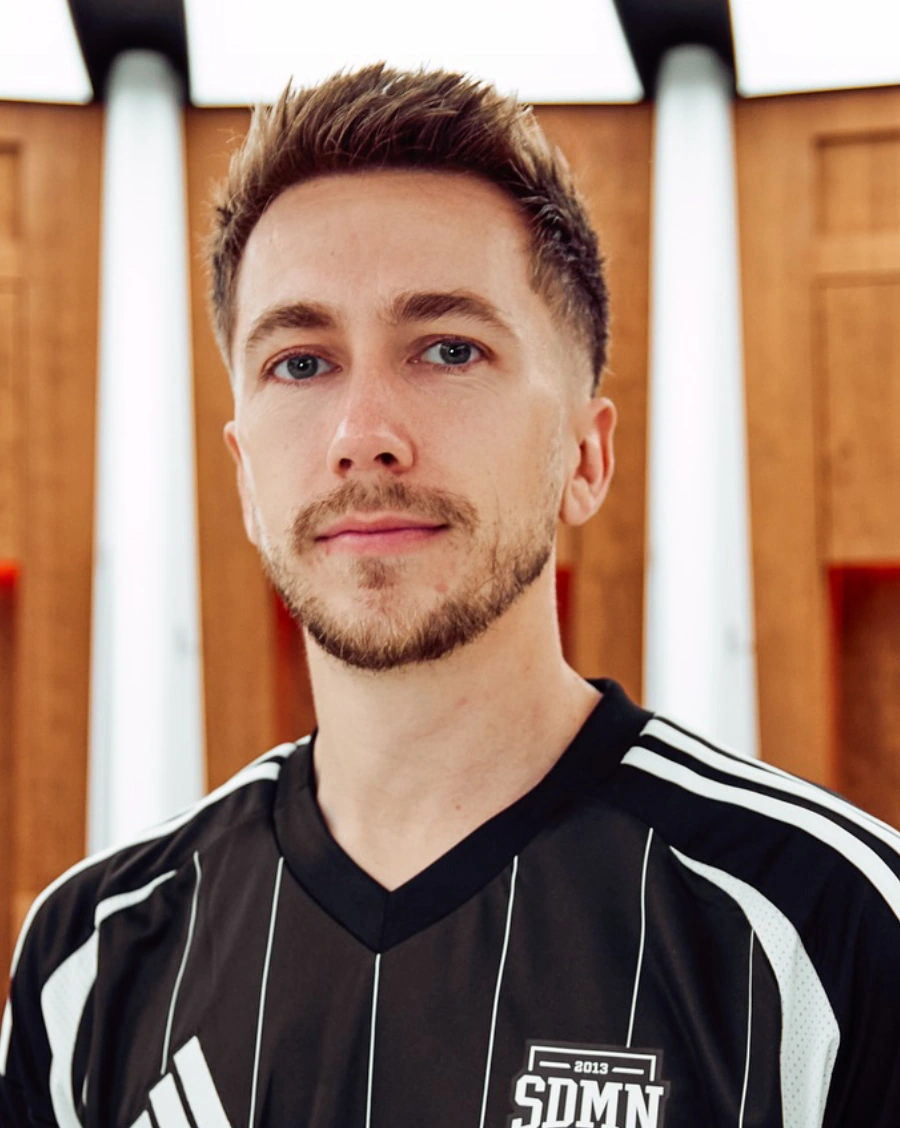
Illustrative talent only. Angry Ginge and Miniminter are not confirmed participants.
Where football meets
entertainment and creators.
Concept proposal
Not an event announcement
The proposal
Take the close-up action of indoor five-a-side and put football creators in charge of the teams. Fans can follow the squad picks, back their captain and watch the rivalries play out on the pitch.
The first event would take place in London or Manchester, with a small live crowd and most fans watching through creator channels. The focus is on putting on a good night of football and making it a great watch at home.
The opportunityEight creator-led teams competing over one evening, with content before and after the tournament. The format, line-up and delivery arrangements still need to be agreed.
How it comes together01 / The opportunity
People already follow these creators for their football opinions, humour and rivalries. This puts them in a tournament with something to play for, and gives Masters a way to reach those fans.
Back a captain, get to know the squad and see how far they go. Short games keep things moving, while the team selections and touchline reactions give fans plenty to talk about.
A say in the squad, room to be themselves and footage they can use on their own channels. The creators help shape the night, rather than just turning up to play.
Bring the appeal of indoor football to a different audience. Masters would help shape the competition and bring its football experience, with former players involved where they add to the event.
Indoor football, the feel of a classic match programme and a role for Masters in shaping the competition. Former-player wildcards could be part of it too. Masters’ involvement and use of its name still need to be agreed.
Who it’s for: first, the fans who already watch the participating creators. It could also appeal to Masters and indoor-football fans. Audience demographics and likely viewing figures still need to be researched; there is no guaranteed reach.
Team reveals and squad picks on the creators’ channels. Who posts what, and when, needs to be agreed with each creator.
A main channel for the live show, with the option for creators to share the feed or add their own commentary. Platform, technical and rights arrangements still need approval.
A replay, highlights and clips for creators to share. How long the replay stays up, who can edit and publish footage, and who earns from it all need to be agreed before filming.
Building a realistic audience picture: start with confirmed channels and how similar videos or live shows have performed. Look at watch time, live viewers, where fans are based and how much the audiences overlap. Adding up follower counts won’t tell us how many people will watch the event.
02 / Talent
Some creators could play, others could manage a team or be part of the show. These names give a feel for the mix. The final line-up would depend on who’s interested, available and right for the event.
Swipe to see all four examples, or focus the strip and use the arrow keys.
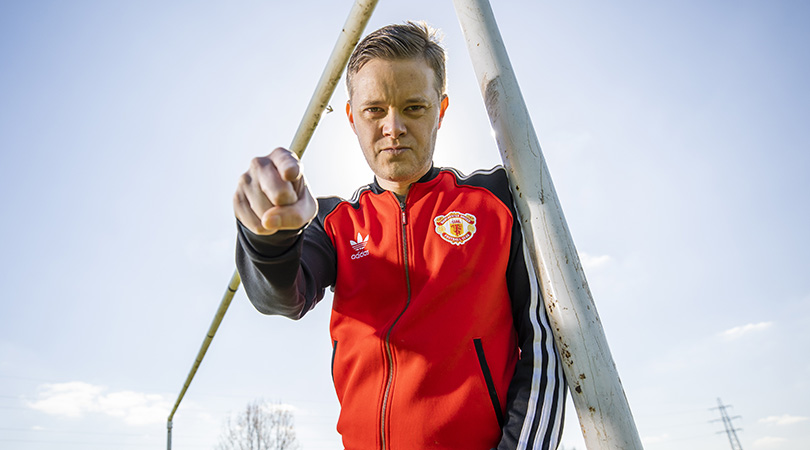
Captain / manager concept
Captain / player concept
Captain / player concept
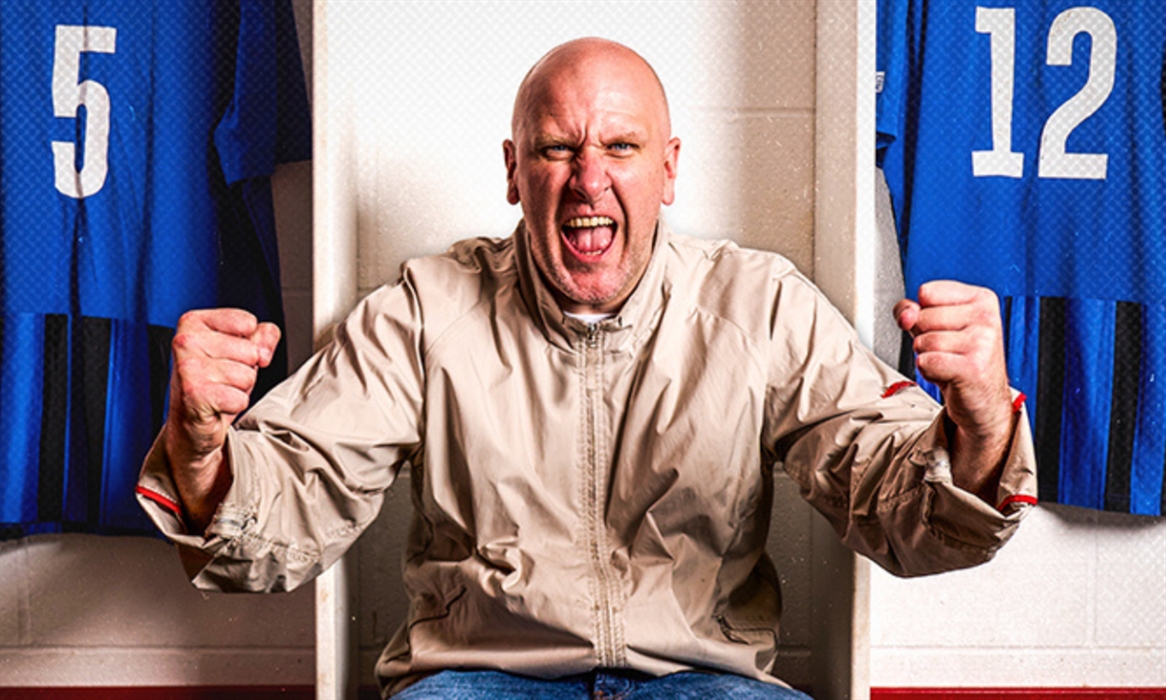
Manager / on-screen concept
Miniminter image supplied for this proposal. Other photography: FourFourTwo, BBC Sport and Visit Manchester. Image permissions and talent approval required before external campaign use.
The proposed format has a recognisable creator leading each team and seven players in each squad. A captain who plays takes one of those places; a non-playing manager doesn’t. Local or Sunday League players can fill the other spots.
Any former professional also takes a playing place. The competition lead would agree player eligibility, a fair balance between teams, goalkeeper cover and how replacements work.
An eight-team event needs eight committed team leads and an agreed line-up strong enough to go ahead. Fewer teams would mean changing the format and budget before announcing it.
Each agreement needs to cover dates, fees, preparation, filming, promotional posts, footage use, sponsor clashes and replacements. Agreeing to play doesn’t automatically include an endorsement or social posts.
Room for the creators: a say in squad selection and tone, with space for unscripted reactions. Sponsor involvement and plans for anyone dropping out need to be agreed. The four examples above are not the full eight-team line-up.
03 / Format
The plan is for eight teams at an existing indoor venue in London or Manchester. Every team gets three group games before the semi-finals and final, all played over one evening.
Three guaranteed games per team. Seven-minute matches, with three minutes to change teams.
The top two from each group progress. Ten-minute games. Direct penalties if level.
A 12-minute final, trophy lift and reactions. No extra time, no third-place playoff.
One live show, with footage the creators can use afterwards on agreed terms. The main channel, any creator co-streams and the rights to use the footage still need to be confirmed.
The estimate allows for six cameras, basic replays, score graphics, a host and commentary, plus a day to set up. Sharing that feed is different from producing a separate show for each creator. The technical plan and rights need to cover whichever approach is agreed.
The proposed fixture plan alternates groups to avoid back-to-back games. Finalists play at most 43 regulation minutes. Rest, rotation and individual former-player minutes require competition and welfare lead approval; the second semi-final winner has less recovery before the final.
The group window is fully used: 12 × ten-minute slots plus a ten-minute break = 130 minutes. It has no spare delay buffer. A running-clock policy and flexible editorial segments are required, without reducing approved player recovery. Semi-final slots include ten minutes beyond play for penalties and transition. The final has 18 minutes after regulation for penalties, trophy and close, not a guaranteed maximum.
Tie-breaks, rolling substitutions, off-pitch squad staging and a venue/broadcast overrun plan remain to be agreed. Penalty duration is variable and cannot be guaranteed within a fixed slot.
An existing playable court in London or Manchester, with approved ball containment, six-camera positions, suitable lighting, sound and power, tested wired internet and independent backup, changing, backstage and treatment space.
The model tests an audience of 300 including guests, not a target or confirmed attendance plan. Venue capacity must also accommodate players, managers and crew, with appropriate accessibility, exits and sightlines. A smaller invited audience remains an option.
Venue pricing needs to cover install, rehearsal, show and strike. Selection depends on core talent availability and checks by the event producer and broadcast supplier. No event date or venue reservation is confirmed in this proposal.
04 / The commercial offer
A lead sponsor could be part of the tournament and the build-up around it. What the package is worth depends on who takes part, where it’s shown, what content is made and the rights included.
A presenting role, a place in the event branding and visibility in the venue. Naming rights and any clashes with existing sponsors would need to be cleared with Masters.
A team-selection feature, replay or player-of-the-match award could give a sponsor a useful place in the show. The idea would be developed and approved with the creators.
Agreed highlights and clips, a clear period in which the brand can use them, and a report on what was delivered. Creator posts and paid advertising rights would be agreed separately.
These are ideas for a sponsor package, not an offer for sale. No sponsor, price, guaranteed audience or category exclusivity has been agreed.
| Possible asset | Define before pricing | Required approval |
|---|---|---|
| Presenting association | Naming hierarchy, category, territory, term and placements. | Masters and the agreed event rights holder. |
| Venue and kit visibility | Actual positions, dimensions, camera visibility and competing marks. | Venue, organiser and relevant team/talent rights holders. |
| Programme integration | Segment, frequency, wording, live treatment and edit inclusion. | Producer, publishing channels, Masters and affected talent. |
| Content licence | Named assets, term, territory, edits, organic use and any paid use. | Footage owner and all relevant talent/third-party rights holders. |
| Guest experience | Seat allocation and access that the selected venue can deliver. | Organiser, venue and any participating talent. |
Before a package is offered: the contents, publishing channels, audience evidence, price, income after commissions and approval process all need to be clear. Rights and creator sponsor clashes need checking too. Personal endorsements, meet-and-greets and creator posts are only included with separate consent.
05 / Budget
The current estimate is around £300,000, excluding VAT, for the first event. It’s a starting point for planning, not a supplier-quoted budget, an approved spending limit or a price for sponsorship.
Excluding VAT. For planning and partner discussion,
not an approved spend or supplier quotation.
The costs listed below, including their contingency, add up to £157,550. The remaining £142,450 still needs to be allocated against the final talent, production, content and rights costs. It cannot yet be treated as money left over.
None of the cost allowances has a supplier quote yet. Budget approval needs quotes for the same agreed brief, all relevant rights and fees, and one contingency allowance covering the whole event. The unallocated balance is not a priced cost.
The final cost still needs checking. If it comes in above the agreed limit, the event would need to be scaled back or extra spending approved before anything is committed.
The event producer and finance lead would bring the costs together for approval by the party signing the contracts and the funding partners.
These allowances are based on the eight-team, six-camera example. With their contingency, they account for £157,550 of the £300k estimate, not the whole budget. They still need supplier quotes and an agreed event brief.
| Cost and scope | Allowance |
|---|---|
| VenueTwo exclusive-use venue days plus access to changing/backstage rooms; allowance, not a SportsDock quote. | £8,000 |
| Pitch fitout and brandingExisting playable surface; temporary approved boards/netting adaptations, venue protection and branded dressing. New turf, new arena or structural spectator seating excluded. | £7,000 |
| Live broadcast productionSix cameras, technical planning, install/show crew, director/vision mixer, camera operators, sound, simple replay, score/graphics system and recording. Separate presenter fees, venue lighting, connectivity and content edits below. | £18,000 |
| Lighting, PA, basic screens and powerSupplement existing venue equipment; small monitors/projected score display. Large LED walls/boards and generators excluded. | £5,000 |
| Dedicated internet and backupTested primary wired service plus independent backup, data and network engineer allowance. | £1,500 |
| Masters former playersIllustrative allowance of 8 players × £2k. Not eight named quotes or confirmed availability. Optional addition; travel below. | £16,000 |
| Creator talent reserveUnquoted pool for creator/team participation, not rates for these names. The 48 non-Masters playing places need not all be creators. Manager roles, appearance, promotion and usage terms need separate agreement. | £20,000 |
| Presenter and commentaryCombined unquoted pool for host/presenter and commentator(s). Technical audio included in broadcast line. | £4,000 |
| Producer and project managementEvent producer, booking suppliers, planning the show and preparing schedules. Roughly 18 days at £500 per day for planning purposes, not an agreed booking or rate. | £9,000 |
| Event operations and safety planningVenue operations lead, event safety plan, accreditation and risk assessment support. Distinct from project producer and delivery crew. | £4,000 |
| Security and medical coverProvisionally £2k security/stewarding and £2k medical/physio. Staffing and clinical level determined by competent risk assessment, not this budget. | £4,000 |
| Officials and competition deskReferees, timekeeping, scorer, match coordinator, briefing and schedule delivery. | £2,500 |
| Event crew and runnersCheck-in, talent runners, dressing/load-in labour and general event assistance, excluding broadcast crew/security/officials. | £3,000 |
| Design, content and launch marketingTournament design/brand adaptation, lean promo assets, event photography/social capture, limited highlights/clips and modest paid promotion. No standalone documentary or major advertising campaign. | £8,000 |
| Kits, balls and trophyIllustrative 56 player kits plus staff/spares, printing, bibs, match balls, trophy. Retail merchandise inventory excluded. | £4,000 |
| Travel, hotels and cateringPooled UK travel, selected hotel nights and player/crew food, hydration. Not audience hospitality; international travel excluded. | £8,000 |
| Insurance, legal and administrationEvent-specific insurance, contract/release review and rights-clearance administration reserve. Does not purchase Masters/IP/music/archive/club licences; premiums unquoted. | £5,000 |
| Partner delivery servicesShared Upload/MXI allowance for coordinating creators, developing the sponsor offer, approvals and reporting. The fee and split are not agreed. This covers different work from the event producer, with no extra hidden percentage fee. | £10,000 |
| Detailed allowance subtotal | £137,000 |
| Contingency on detailed allowances · 15% | £20,550 |
| Detailed allowances including contingency | £157,550 |
| Balance to allocate against final scope | £142,450 |
| Provisional event estimate | £300,000 |
The £10k partner-services allowance is already included in the total. Any extra agency fee would need to cover separately agreed work. Supplier quotes need checking together so crew, travel, graphics and equipment aren’t charged twice.
As an example, 200 paid places contributing £25 each after costs would bring in £5,000, alongside 100 guest places. Whether to sell tickets, and how many, is still to be decided.
That leaves £295,000 of the £300k estimate to find through sponsorship, a commissioned programme or partner funding. With no paid audience, the full £300,000 needs funding. The amount needed is not proof that a sponsor will pay it.
The £25 is an assumed contribution after tax, fees and refunds, not a suggested ticket price. No profit from advertising or merchandise is included.
The budget also needs a cash-flow plan. Venue deposits, talent retainers, production payments and licence fees may all be due well before the event.
Payments must match the funding available, with the agreed contingency kept in reserve. Expected ticket sales cannot pay a deposit before that money has arrived.
VAT payments may temporarily increase the cash needed. Supplier payment dates and funding commitments have not been agreed.
| Route | What must be agreed |
|---|---|
| Sponsorship | Approved inventory, channel commitments, price, delivery costs and signed net cash contribution. The funding gap does not set the package’s value. |
| Commissioning | A buyer for a defined programme/content package, with specified rights, acceptance terms and payment dates. |
| Partner funding | A named payer, cash amount or exposure cap, timing, recoupment and allocation of losses and surplus. |
| Ticketing | Whether to sell tickets at all, consumer pricing, allocation and contribution after tax, fees and refunds. |
| In-kind support | A specific cost removed from the budget. It does not provide cash for other bills or count again as cash revenue. |
The funding plan needs to show what each contribution is worth, any deductions or conditions, and when the cash arrives. A weekly cash plan must show the largest funding gap and who will cover it. Commissions must be counted once across the income and cost schedules.
Masters/IP royalties or minimum guarantees; revenue shares; rights buyouts; governing-body, music or archive licence fees; additional sponsor-sales commissions; talent above the current reserve; cancellation cover. Applicable costs require allocation within the final budget. VAT remains outside the £300k figure.
The proposed scope excludes: new arena/pitch construction, structural seating, major LED infrastructure, a separate launch, music headliner, afterparty, international travel, a documentary series, a major paid-media campaign and merchandise stock.
In-kind support reduces only the cash cost actually avoided. Its value is not also counted as cash revenue.
The eight-team format, spectator numbers, squad size, crew specification, show timings, talent reserves and partner fees are illustrative planning assumptions, not agreed commitments. The optional former-player allowance is £2k per player; individual rates and availability require confirmation. All costs remain subject to the final scope and matched quotations.
UEL SportsDock illustrates the venue class, not the venue choice or hire price. dwmedia’s 2026 guide gives fuller five-plus-camera production from £15k, alongside lower-spec tiers. The £18k allowance still requires a matched sports-production quote. LightMed scopes higher-risk cover through a medical needs assessment; public minimum rates do not establish suitable cover for this event.
Costing basis: 23 September 2026. No supplier quotation, booking or appointment has been supplied for this proposal.
06 / Content
Who’s playing for whom? Who’s taking it seriously? The squad picks give fans something to follow before a ball is kicked. The plan covers the build-up, the live show and the best moments afterwards, with room for creators to tell it their way.
This is a proposed content plan. The work and publishing dates are not booked.
Meet the captains and follow their squad picks. A draft or selection show could be part of it, if the creators want one.
Team reveals, training and reactions, using footage the creators shoot themselves alongside any separately commissioned filming.
One live feed for the agreed channels, with photography and a small team pulling out clips as the night unfolds.
A proposed highlights film and 10–15 short clips to keep the best moments in circulation. The work, timing and price still need to be agreed.
| Output | Production basis | Proposed publisher / delivery |
|---|---|---|
| Eight team reveals | One per team. Creator-supplied footage with centrally produced graphics and edits. Any crew-led filming priced separately. | Agreed creator and event channels, staggered from four weeks before the event. No post is contracted yet. |
| Squad-selection feature | Optional single draft or selection show, only if the creators want it. Quote crew, location and edit days as an additional scope, not part of venue access. | Lead channel to be selected; proposed two to three weeks before the event. |
| One live programme | Shared programme feed, commentary, graphics, basic replay and recording. Agree clean feeds, co-streams and clipping access separately. | Lead publisher to be agreed, on event night. Agree replay availability and monetisation rights. |
| One highlights film | Proposed 8–12 minute edit with cleared music and graphics; agree review rounds and captions. | Agreed event or lead channel, proposed within seven days. |
| 10–15 short clips | Proposed vertical edits with captions. Select the first batch on the night; remaining edits through the following week. | Approved creator/event channels. First batch proposed within 24–48 hours, subject to agreed approval turnaround. |
Before filming is booked: agree the crew, filming and editing days, video formats, file handover, review rounds, approval deadlines and music/talent rights. Who owns the footage, approves it, delivers it and publishes it needs to be in writing. The £8k content and marketing allowance has not yet been checked against the cost of this proposed package.
07 / Delivery
The proposed team brings together Masters’ football experience, Upload’s creator relationships and MXI’s commercial work. The roles below are a starting point and have not been agreed or contracted.
Presenting / football partner
Help shape the football, bring former-player relationships and agree how the Masters name is used.
Delivery partner
Bring the creators into the conversation, work through their participation terms and help make the format right for them.
Delivery partner
Develop the sponsor offer, bring the budget together and coordinate the commercial plan with the partners.
One lead would be responsible for the venue, suppliers, safety coordination and the show itself. That could be someone from a partner’s team or an appointed producer, with clear responsibilities and no second fee for the same work.
Contracts: the person or organisation responsible for venue, talent and supplier contracts, invoicing funders and carrying the event’s financial risk has not yet been chosen.
Spending: a named person needs to approve the budget and any changes. The producer would work within those agreed limits.
Sponsorship: MXI would coordinate the proposed offer. Who can negotiate and sign, any commissions, and clashes with creators’ existing sponsors still need to be agreed.
Masters name and format: Masters needs to agree how these can be used, the licence terms and who approves what.
Event rights and footage: ownership, creator access, publishing, archive use, editing and earnings all need permission that covers this event.
Partner terms: fees, overheads, repayment of costs or funding, revenue shares and the division of any surplus or loss still need agreement. These are separate from the producer’s delivery work.
Before any commitments, a written agreement would set out who leads the event, the rights arrangements, who can approve spending and what each partner is responsible for.
08 / Development roadmap
The next step is to find out who wants to be involved, what the event will cost and how it will be funded. Each stage needs a clear decision before moving on or committing money.
Settle the format, the minimum line-up, who can attend and the financial aim. Choose who runs the event and who signs the contracts.
Check creator interest, likely terms, channels and dates. Work through Masters’ involvement, use of its name and any former-player roles.
Get venue and production quotes against the same brief. Bring the full budget and cash needs together, alongside a clear sponsor package and a funding plan backed by evidence.
Once costs, funding, commitments and delivery plans are clear, decide whether to proceed, make the event smaller or stop. The final show must fit the approved budget and available team.
These are the proposed approval steps. None has been signed off yet.
An approved budget for the agreed event, showing any remaining estimates, contingency, who signs the contracts, who funds it and when they pay. Talent terms, rights and cancellation costs need financial sign-off before any non-refundable commitments.
A date and venue, signed core talent and Masters agreements, confirmed viewing channels and an agreed audience plan. Sponsor promises must be deliverable. Partners need to approve the announcement and use of their brands.
The producer checks squads, fixtures, suppliers, event and welfare plans, rehearsal, and live-stream and backup tests. A named person makes the final go/no-go decision, taking advice from the venue, football, technical and welfare leads.
Timing is illustrative and depends on availability, funding and production requirements, with additional time after the event for edits and review.
A review two weeks after the event is proposed. It would look at the football, what people watched and how the money worked out. Viewing targets need to be based on comparable channel data before contracts are signed. No targets or forecasts have been set yet.
| Question | Measure and evidence | Proposed owner / decision |
|---|---|---|
| What people watched | Live watch hours for each agreed channel (live watch minutes ÷ 60), average viewing time and the highest number watching at once. Report replay watch hours separately after seven days, using platform data. Adding channel peaks together does not give a reliable total or a count of different people. | Lead publisher and creator-relations team. Compare each channel with similar shows and look at where viewers stayed or dropped away. |
| What was delivered | Contracted sponsor/content items accepted on time ÷ items due, backed by a delivery log and proof of publication where relevant. Report disputed or late items separately. Completing the list does not, on its own, prove value for the sponsor. | Commercial and production leads. Check what was delivered, get sponsor feedback and understand whether they would return. |
| How the money worked out | Revenue earned from the event, less all actual costs and any costs already incurred but not yet recorded, using the same VAT basis. Count commissions and fees once. Report partner funding, cash received, money still owed and funding gaps separately. | Finance lead. Compare with the agreed financial aim and spending limit. Prepare an initial result after 14 days and finalise it when invoices settle. Promised but unpaid funding is not available cash. |
Feedback from each team lead within seven days, covering enjoyment, workload, creative control and willingness to return. Responses and non-responses would be recorded.
A producer-led review of incidents, welfare concerns and broadcast failures with the responsible leads. Material safety or delivery issues require resolution before a repeat or larger event.
Would it work again? That depends on meaningful viewing figures, promises being kept, an acceptable financial result, creators wanting to return and any event problems being resolved. A big view count alone isn’t enough.
Where things stand: this is still a concept. Supplier quotes, creator commitments, rights, funding and final approvals are needed before it can go ahead.